Unlocking Flavor: The Benefits of Microgreens

Microgreens are more than just a trendy garnish; they are a powerhouse of flavor and nutrition. These tiny greens, harvested just after the first true leaves appear, pack a punch that can elevate any dish. In this blog post, we will explore the numerous benefits of microgreens, how to incorporate them into your meals, and why they deserve a prominent place in your kitchen.
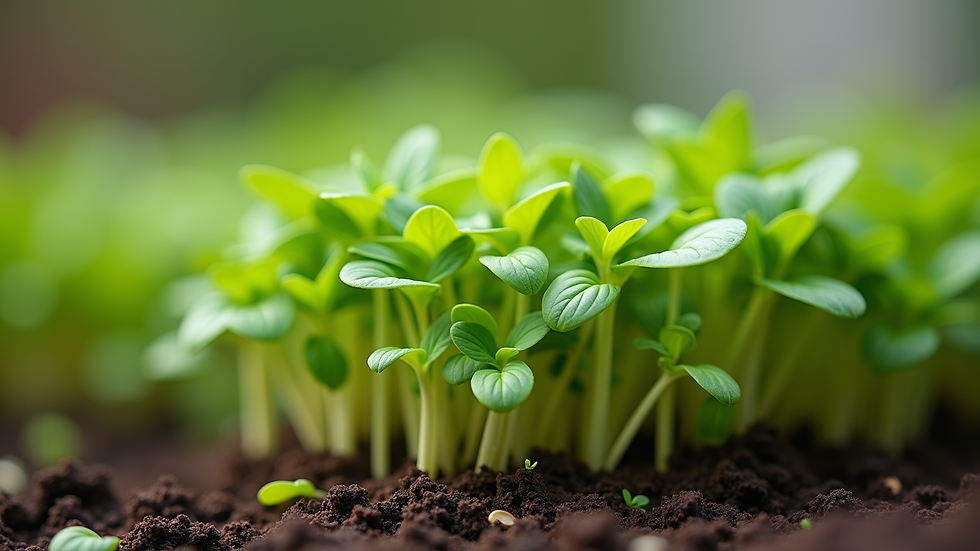
What Are Microgreens?
Microgreens are young plants that are harvested at an early stage of growth, typically between 7 to 21 days after germination. They come from a variety of vegetables, herbs, and even some grains. Common types include:
Arugula: Peppery and slightly bitter, perfect for salads.
Basil: Sweet and aromatic, great for Italian dishes.
Radish: Crisp and spicy, adds a kick to sandwiches.
Sunflower: Nutty and crunchy, ideal for snacking.
These greens are not only visually appealing but also offer a concentrated flavor profile that can enhance any meal.
Nutritional Powerhouse
One of the most compelling reasons to incorporate microgreens into your diet is their impressive nutritional content. Studies have shown that microgreens can contain up to 40 times more nutrients than their mature counterparts. Here are some key nutrients found in microgreens:
Vitamins: High levels of vitamins A, C, E, and K.
Minerals: Rich in calcium, magnesium, and iron.
Antioxidants: Help combat oxidative stress and inflammation.
For example, a study published in the Journal of Agricultural and Food Chemistry found that red cabbage microgreens contained significantly higher levels of vitamins and antioxidants compared to mature red cabbage. This means that adding a handful of microgreens to your meals can provide a substantial boost to your overall health.
Flavor Enhancement
Microgreens are not just nutritious; they also bring a burst of flavor to your dishes. Their intense taste can transform a simple salad or sandwich into a gourmet experience. Here’s how different microgreens can enhance your meals:
Pea Shoots: Sweet and tender, perfect for adding to stir-fries or salads.
Cilantro: Bright and citrusy, ideal for Mexican or Asian dishes.
Beet Greens: Earthy and slightly sweet, great for soups or as a side dish.
By using microgreens, you can reduce the need for additional seasonings, allowing the natural flavors of your ingredients to shine through.
Easy to Grow at Home
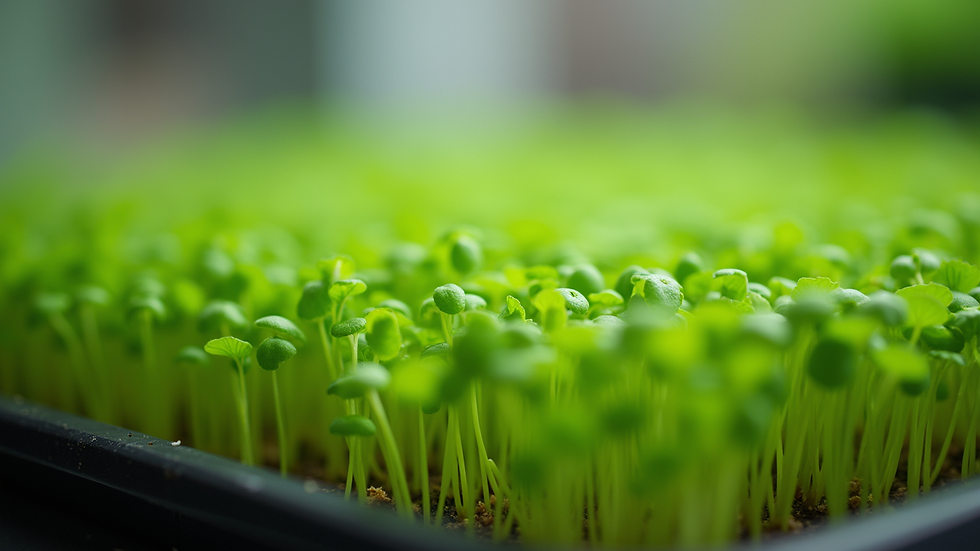
Growing microgreens at home is a simple and rewarding process. You don’t need a large garden or extensive gardening knowledge to get started. Here’s a quick guide to growing your own microgreens:
Choose Your Seeds: Select seeds specifically labeled for microgreens. Popular choices include broccoli, kale, and mustard greens.
Prepare Your Containers: Use shallow trays or containers with drainage holes. Fill them with a seed-starting mix or potting soil.
Sow the Seeds: Scatter the seeds evenly over the soil and cover lightly with more soil.
Water and Light: Mist the soil with water and place the trays in a sunny spot or under grow lights.
Harvest: In about 7 to 21 days, when the greens are 1-3 inches tall, use scissors to cut them just above the soil line.
Growing microgreens is a fun project that can provide fresh greens year-round, even in small spaces.
Culinary Uses
Microgreens can be used in a variety of culinary applications. Here are some creative ways to incorporate them into your meals:
Salads: Toss a mix of microgreens with your favorite salad ingredients for added flavor and nutrition.
Sandwiches and Wraps: Use microgreens as a filling instead of lettuce for a unique twist.
Garnishes: Top soups, omelets, or main dishes with microgreens for a pop of color and flavor.
Smoothies: Blend a handful of microgreens into your morning smoothie for an extra nutrient boost.
The versatility of microgreens makes them an excellent addition to any meal, allowing you to experiment with flavors and textures.
Sustainability and Environmental Impact
Growing microgreens is not only beneficial for your health but also for the environment. They require significantly less water and space compared to traditional crops. Here are some sustainability benefits of microgreens:
Reduced Water Usage: Microgreens need less water to grow, making them an eco-friendly choice.
Short Growth Cycle: With a quick turnaround time, microgreens can be harvested in just a few weeks, reducing the carbon footprint associated with transportation.
Minimal Pesticides: Many microgreens can be grown indoors, reducing the need for chemical pesticides.
By choosing to grow or purchase microgreens, you are making a positive impact on the environment.
Conclusion
Microgreens are a flavorful, nutritious, and sustainable addition to any diet. Their concentrated nutrients and intense flavors can enhance your meals while supporting your health. Whether you grow them at home or buy them from a local market, incorporating microgreens into your cooking is a simple way to unlock a world of flavor.
So why not give microgreens a try? Start by adding them to your next salad or sandwich, and experience the difference they can make. Your taste buds and your body will thank you!

Comments